
An open platform for building real time digital worlds where reality, simulation, AI, robotics, and neural rendering converge.
Voxel World Model (VWM) is an open architecture for representing the world as a living, synchronized voxel simulation.
Rather than treating AI rendering as the simulation itself, VWM separates simulation, understanding, and visualization into independent layers.
The voxel world is the authoritative source of truth.
Everything else including photorealistic rendering is simply another way of observing that world.
Reality
    │
Players
AI Agents
Robots
IoT Devices
Vehicles
Automation
Sensors
    │
    ▼
═══════════════════════════════
 Authoritative Voxel World
═══════════════════════════════
    │
    ├── Native Voxel Rendering
    ├── Stylized Rendering
    ├── Neural Rendering
    ├── VR
    ├── AR
    ├── Robotics
    └── Simulation APIs
The renderer never owns reality.
The renderer visualizes reality.
Voxel worlds provide something extremely valuable:
- deterministic simulation
- editable environments
- efficient networking
- persistent world state
- simple physics
- semantic understanding
- reproducible simulations
Instead of storing only pixels or meshes, VWM stores meaning.
A chair is a chair.
A door is a door.
A vehicle is a vehicle.
Not simply millions of triangles.
One of the primary goals of VWM is creating live digital twins.
Real-world devices continuously synchronize into the voxel world.
Examples include:
- Smart homes
- Offices
- Factories
- Vehicles
- Robots
- Farms
- Warehouses
- Laboratories
Real-world events become voxel events.
Opening your real office door can immediately open the corresponding voxel door.
Turning on a smart light updates the virtual room.
Vehicle telemetry updates your vehicle inside the world.
The voxel world becomes a synchronized representation of reality.
Everything becomes an event.
Door Sensor
        │
Temperature
        │
Camera
        │
GPS
        │
Vehicle
        │
Player
        │
Robot
        │
──────────────
 World Events
──────────────
        │
Voxel Simulation
The simulation does not care where data originated.
Only that the world changed.
Unlike traditional voxel engines, objects are not merely blocks.
Every object can contain semantic information.
Door

Material:
    Oak

Finish:
    Satin

Age:
    15 years

State:
    Open

Description:
    Office entrance
This metadata does not change gameplay.
It enriches understanding.
Semantic information exists at every level.
World

Region

Building

Room

Object

Component
Example:
World
    Modern suburban neighborhood

Building
    Engineering office

Room
    Electronics laboratory

Desk
    Walnut standing desk

Object
    Oscilloscope
AI systems receive rich contextual information instead of only geometry.
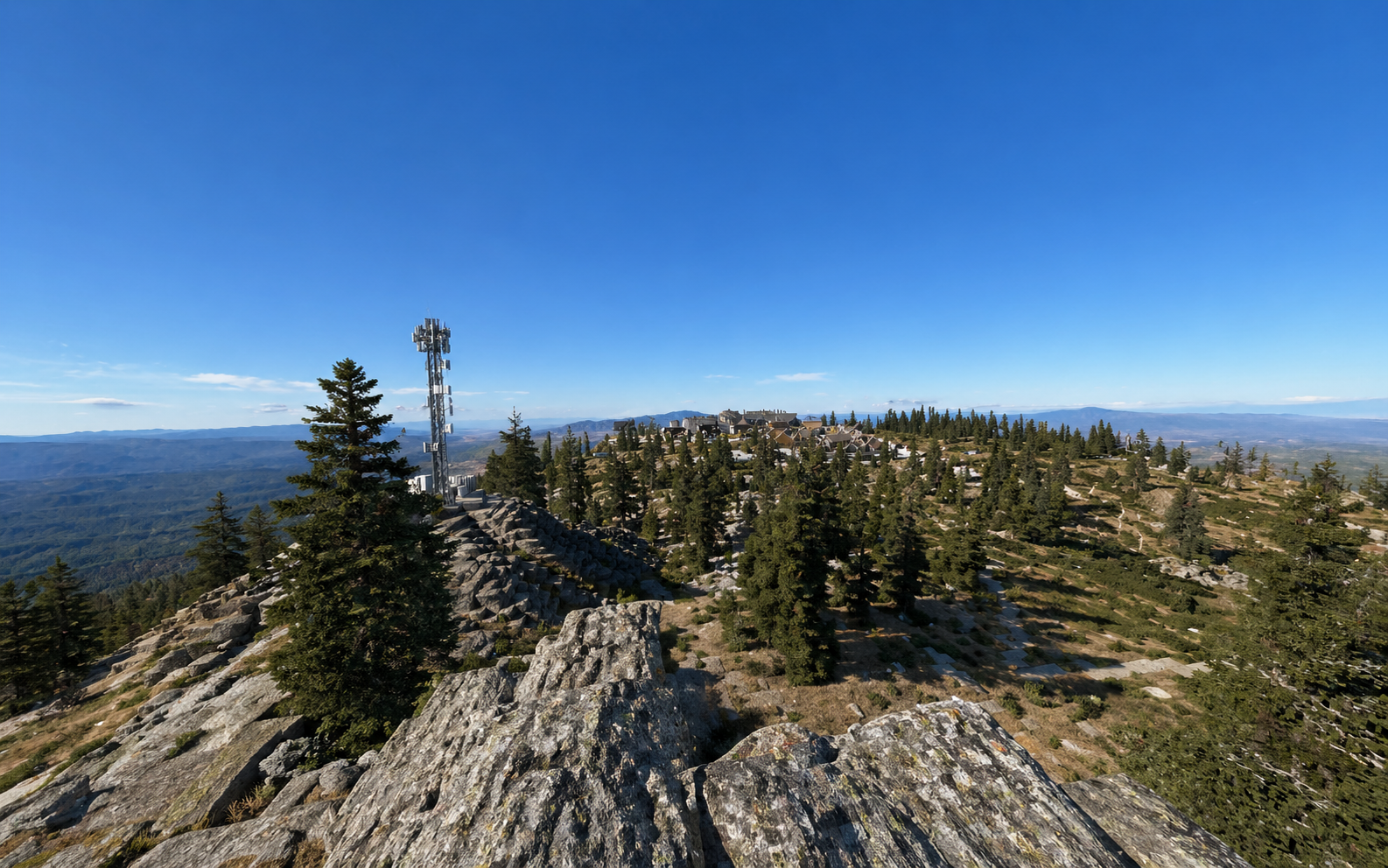
Photorealism is not the simulation.
Photorealism is a renderer.
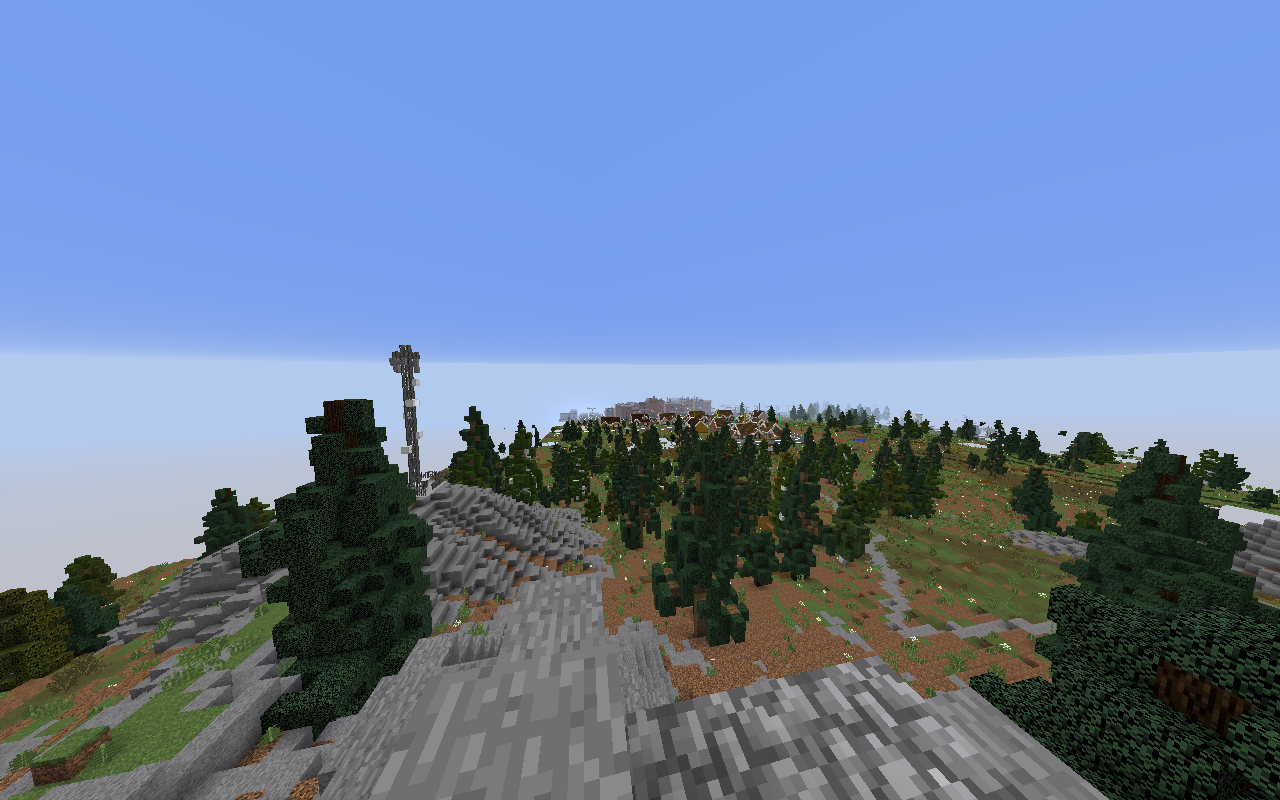
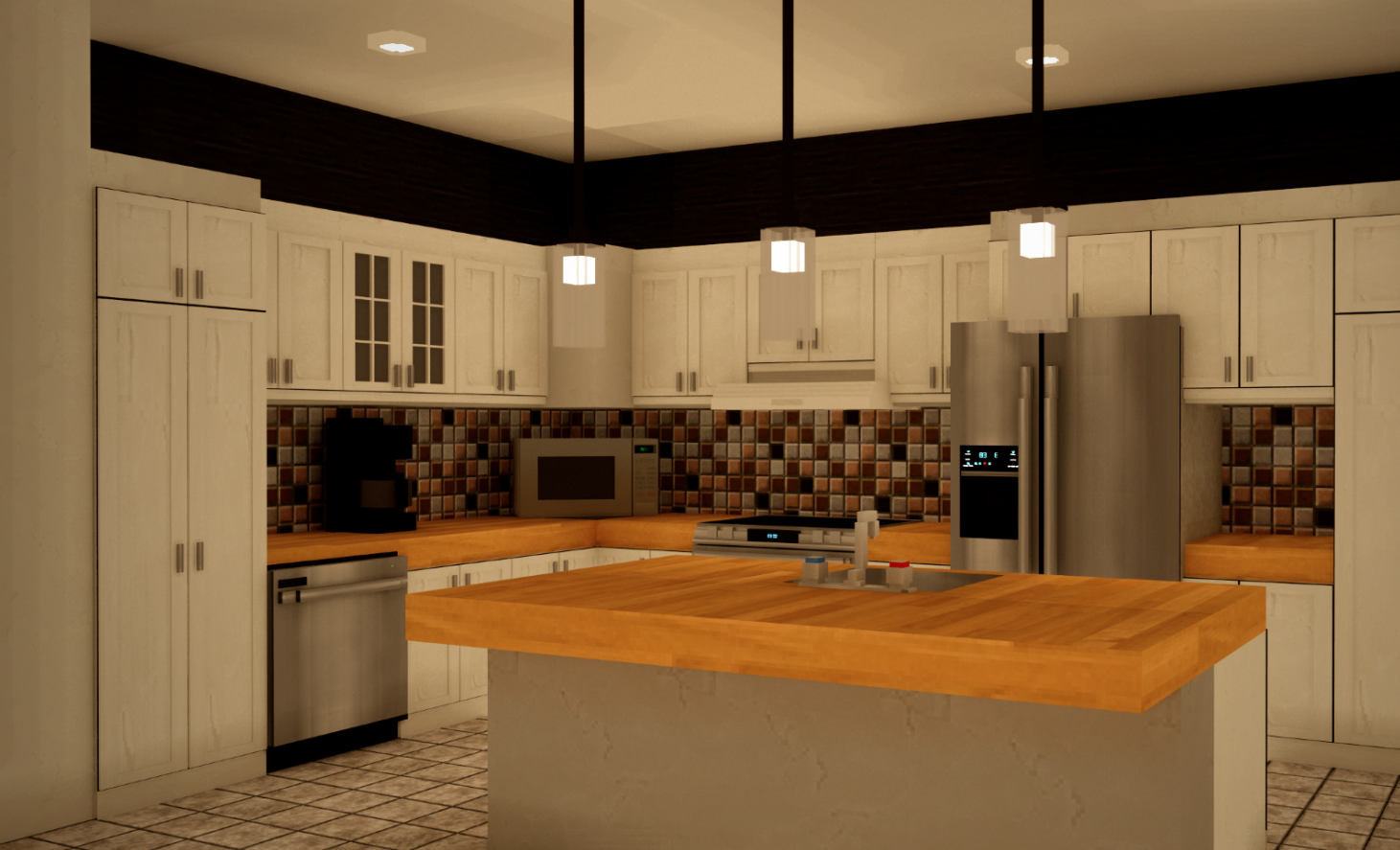
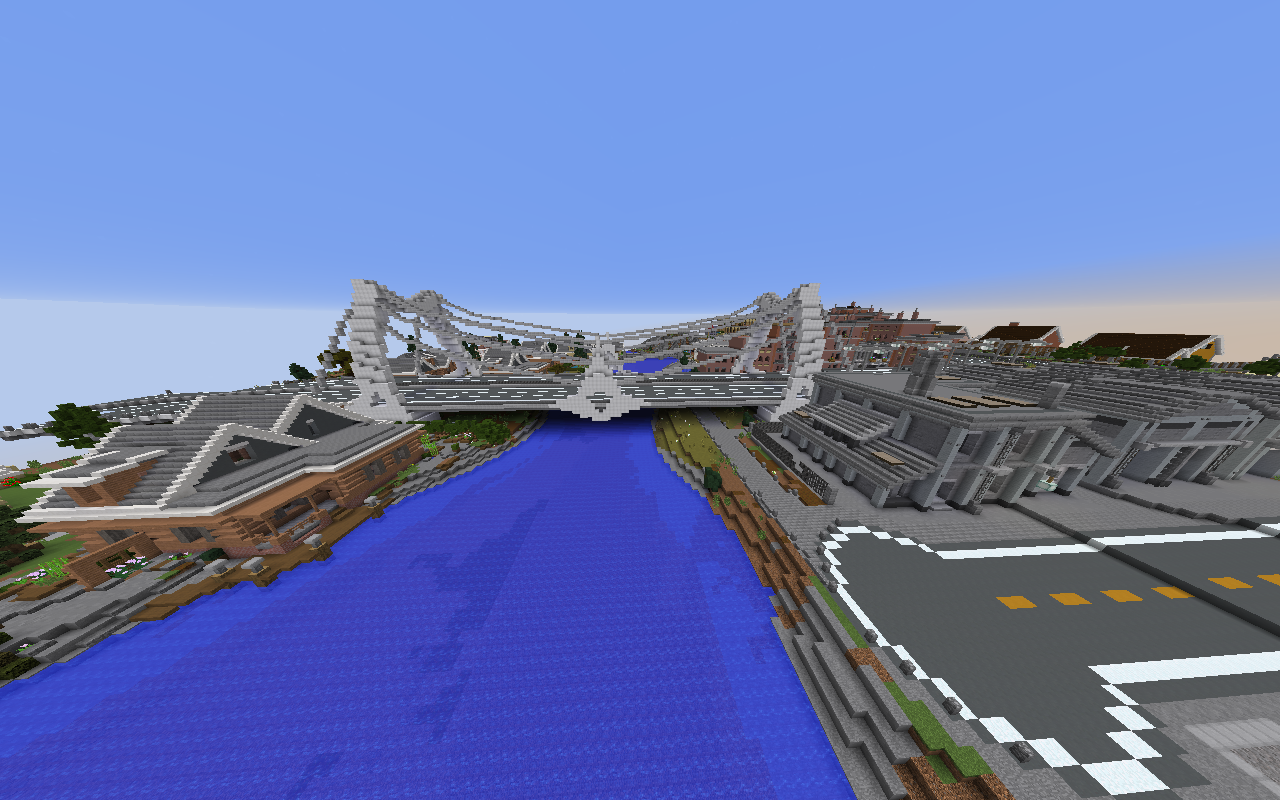
The same voxel world can be viewed through multiple rendering pipelines.
Native Voxel

Enhanced Voxel

Low Poly

LEGO

Clay

Pixel Art

Anime

Watercolor

Photorealistic

Cinematic

Wireframe

Bounding Boxes

Collision Geometry

Navigation Mesh

Occlusion View

Terrain Height Map

Slope Analysis

Topographic

Thermal

Infrared (IR)

Night Vision

Radar

LiDAR Point Cloud

Gaussian Splat View

Depth Buffer

Surface Normals

Material IDs

Lighting Buffers

Motion Vectors

Semantic Segmentation

Object Classification

Instance Segmentation

Physics View

Constraint Visualization

Fluid Simulation

Airflow

Electric Fields

Magnetic Fields

Heatmaps

Optimization Heatmap

GPU Cost

CPU Cost

Network Replication

Latency Heatmap

Pathfinding Cost

AI Attention Maps

Knowledge Graph Overlay

Sensor Coverage

Security Coverage

Power Grid

Automation Flow

Historical Timeline

Future Prediction

Time-Lapse

Replay

Mixed Reality Overlay

Custom User Views
Changing renderers never changes simulation.
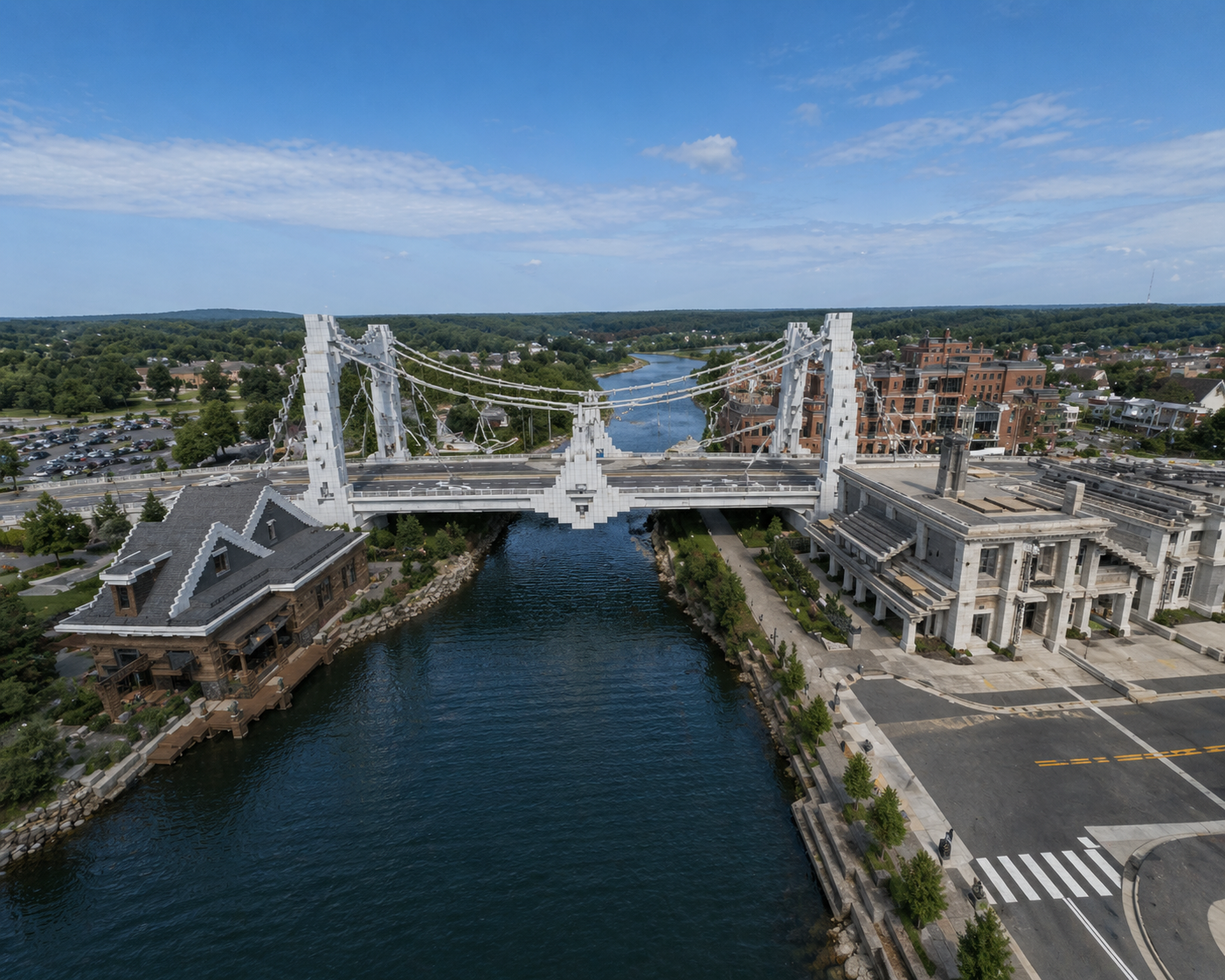
A real voxel world model uses an open-source voxel game as the structured simulation layer, then replaces or overlays the native renderer with an AI-driven photorealistic rendering pipeline.

Objects may optionally include rendering hints.
Material:
    Brushed Aluminum

Lighting:
    Warm

Condition:
    Slightly Worn

Style:
    Scandinavian
The renderer uses these as conditioning information to produce more accurate imagery while preserving simulation correctness.
Hard facts remain deterministic.
Soft hints remain artistic guidance.
The platform is designed to ingest information from many sources.
Examples include:
- RGB Cameras
- Stereo Cameras
- Depth Cameras
- LiDAR
- Radar
- IMUs
- GPS
- BLE
- RFID
- OBD-II
- Smart Home Devices
- Industrial Sensors
Future reconstruction pipelines such as voxel-aligned Gaussian Splatting, neural reconstruction, and semantic scene understanding can all contribute to building or updating the voxel world.
VWM is intended to evolve beyond rendering.
Future systems may reason about:
- Objects
- Relationships
- Ownership
- Events
- History
- Behaviors
- Automation
- Navigation
- Robotics
The world becomes understandable—not merely visible.
Every change can be recorded.
- Player movement
- Sensor events
- AI actions
- Vehicle telemetry
- Automation
- Weather
- World modifications
Entire worlds become replayable.
This enables debugging, simulation, training datasets, and historical analysis.
Every subsystem is replaceable.
Reality Capture
↓
World Reconstruction
↓
Voxel Simulation
↓
Knowledge Layer
↓
AI Systems
↓
Rendering
Each layer is independent.
New renderers, AI models, sensors, robotics systems, and reconstruction techniques can be integrated without redesigning the platform.
Voxel World Model aims to become a universal foundation for persistent digital worlds.
A place where:
- Reality continuously synchronizes into simulation.
- AI understands the world instead of only generating images.
- Robotics interacts through the same world model.
- Digital twins remain deterministic.
- Rendering becomes interchangeable.
- Future advances in neural rendering automatically improve every connected world.
The simulation remains stable.
The visualization evolves forever.
This GitHub organization hosts the components that make Voxel World Model possible.
Examples include:
- Voxel simulation
- Reality capture
- Neural rendering
- Gaussian reconstruction
- World synchronization
- Semantic understanding
- Sensor frameworks
- AI tooling
- Robotics interfaces
- Dataset tooling
- Developer utilities
Every repository contributes toward a common goal:
Building an open, persistent, AI-native world model for reality itself.
